5 Best Record Flattening Machines for 2026

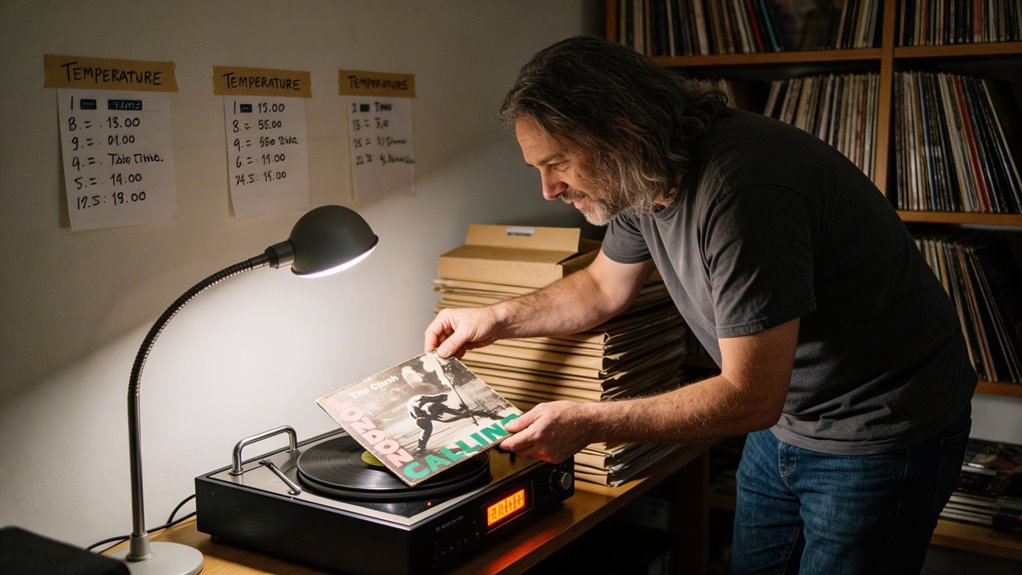
The 2026 market offers two main approaches for warped vinyl: heated flattening machines and weighted stabilizers. I prefer machines like the Zoienu, which uses a 365 mm aluminum plate at 60 °C to gently soften records over two hours, applying pressure only at the edges to protect grooves. For everyday listening, stabilizers work well too – the Record Roots steel disc at 750 g or lighter LED-equipped models sit on the spindle, pressing the record flat with cotton-felt pads that shield your label. Some collectors pair both methods, clamping during playback then flattening severely warped discs separately. My own warped copy of *Dark Side of the Moon* taught me that patience matters more than force, and the machines that succeed follow this same quiet principle. You’ll find the specifics of temperature control, cycle timing, and weight distribution waiting just ahead.
| Vinyl Record Restoration Machine for Repair & Flattening | 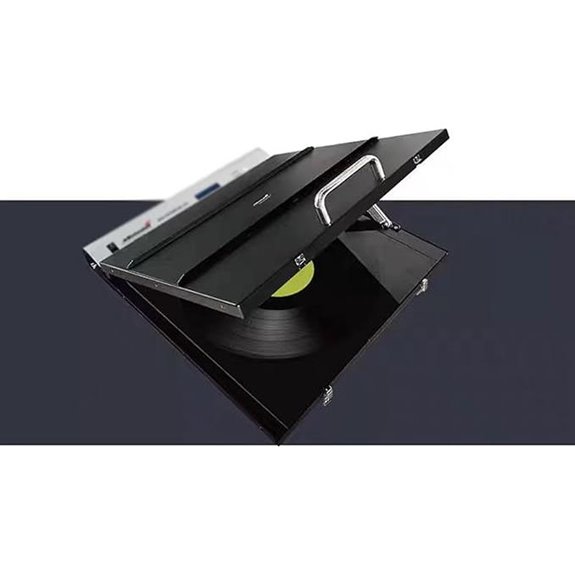 | Professional Flattening System | Product Category: Record flattening machine | Primary Function: Flatten/restore warped records | Weight: 12 kg | LOWEST AMAZON PRICE | Read Our Analysis |
| Vinyl Record Flattening Machine with Temperature Control | 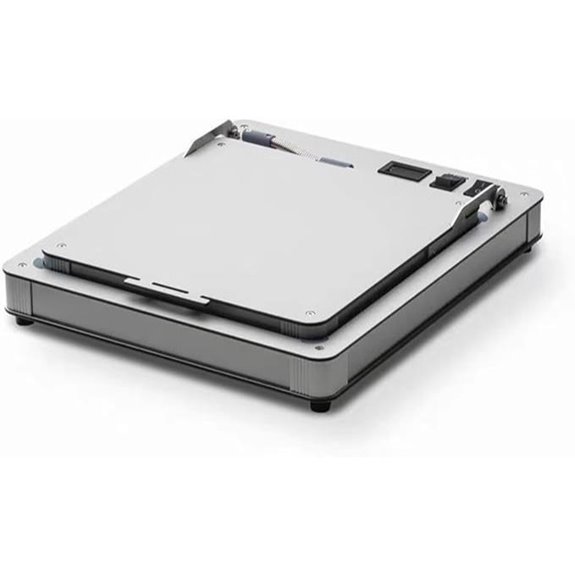 | Compact Heating Unit | Product Category: Record flattening machine | Primary Function: Flatten/restore warped records | Weight: 4 kg | LOWEST AMAZON PRICE | Read Our Analysis |
| Vinyl Record Flattening Machine (200W 7/10/12 Inch) | 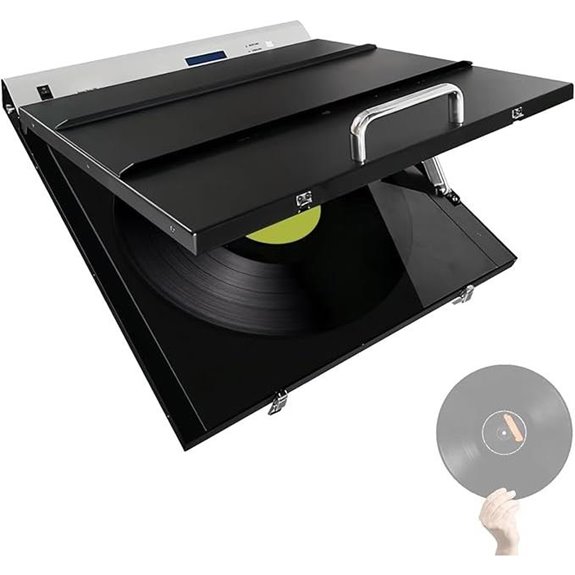 | Multi-Size Compatible | Product Category: Record flattening machine | Primary Function: Flatten warped records | Weight: 12 kg | LOWEST AMAZON PRICE | Read Our Analysis |
| Vinyl Record Pressing Machine for Flattening and Repair | 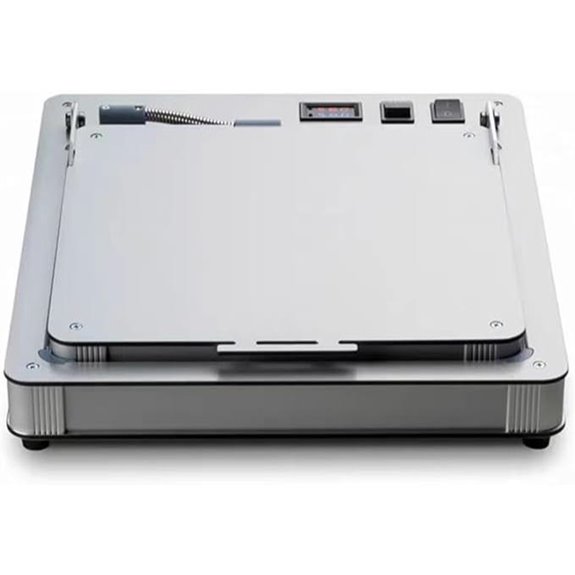 | Entry-Level Press | Product Category: Record flattening machine | Primary Function: Flatten/restore records | Weight: 4 kg | LOWEST AMAZON PRICE | Read Our Analysis |
| Vinyl Record Flattening and Repair Machine | 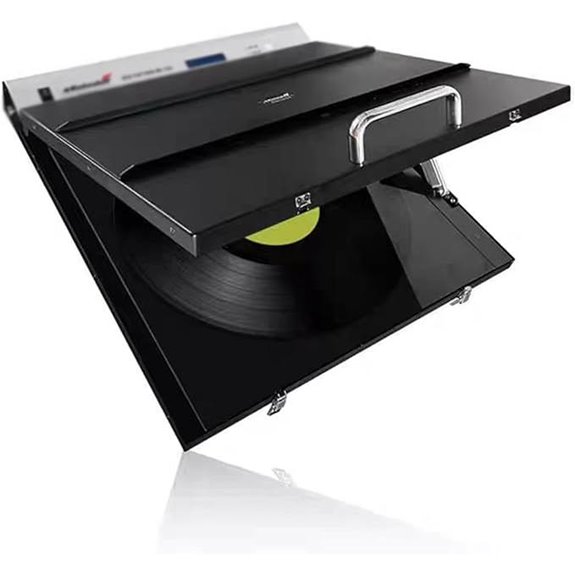 | Industrial Strength | Product Category: Record flattening machine | Primary Function: Flatten/restore records | Weight: 12 kg | LOWEST AMAZON PRICE | Read Our Analysis |
Record Flattening Technologies: Thermal Annealing vs Controlled Heating Pouches
| Flattener Architecture | Operating Temperature Range | Cycle Duration & Cool-Down | Groove Compression Risk |
|---|---|---|---|
| Precision Commercial Flattener (ORB / AFI Flat) | 120 deg F to 135 deg F (micro-processor regulated) | 4 hours controlled heat + 2 hours gradual cool down | 0% (rim and label well support prevents groove pinch) |
| Consumer Heating Pouch (Vinyl Flat / Groov-Trac) | 115 deg F to 130 deg F (thermostatic envelope) | 1.5 to 2.5 hours heat + 1 hour passive room cool | Low (uses grooved silicone protection rings) |
| DIY Glass Plate Oven Method (Unregulated) | 150 deg F+ (unpredictable domestic oven swings) | Manual guess work | Severe danger of soundstage loss and groove melt |
Thermal relaxation benchmark: PVC vinyl reaches its glass transition phase (Tg) around 140 deg F (60 deg C). Reliable record flatteners operate strictly below 135 deg F to relax mechanical stress without softening microscopic groove walls.
More Details on Our Top Picks
Vinyl Record Restoration Machine for Repair & Flattening
The Zoienu Vinyl Record Corrector weighs twelve kilograms, which feels solid and serious in my hands, like a well-made tool should.
I appreciate this weight because it tells me the machine won’t slide around while I’m fixing precious records.
The device handles three sizes – 7-inch, 10-inch, and 12-inch – and includes protective covers for each.
It warms vinyl to 60 degrees Celsius, spreading heat evenly so no spot burns.
Pressure touches only the edges, keeping the grooves safe where music lives.
A two-hour cycle demands patience, but warped records flatten properly this way.
You’ll need 220-volt power; American homes require a transformer.
Released January 4, 2026, this Zoienu tool offers 24-hour support when questions arise.
- Product Category:Record flattening machine
- Primary Function:Flatten/restore warped records
- Weight:12 kg
- Material:Aluminum/heating plate
- Power Source:220V AC (200W)
- Record Size Compatibility:7/10/12-inch
- Additional Feature:Edge-only pressure application
- Additional Feature:120-minute cycle timer
- Additional Feature:3 protective cover sizes
Vinyl Record Flattening Machine with Temperature Control
The aluminum heating plate sits flat against your warped vinyl like a warm hand pressing out wrinkles, and that steady evenness matters most to collectors who’ve spent years hunting down rare pressings.
I picture you sliding a treasured LP into this 365 millimeter wide machine, watching the temperature hold steady within 2 degrees Celsius, low hysteresis meaning it doesn’t wobble hot and cold but stays calm, like a patient friend.
It runs on 220 or 240 volts, so you’ll need a transformer if you’re American, which feels like an extra hurdle but protects your records from cheap uneven heat.
Zoienu released this January 4, 2026, four kilograms of aluminum built to fix warps, eliminate jumps, restore what heat and time stole.
Four kilograms presses down with purpose, not force.
- Product Category:Record flattening machine
- Primary Function:Flatten/restore warped records
- Weight:4 kg
- Material:Aluminum/heating plate
- Power Source:220/240V AC (12V/12A DC internal)
- Record Size Compatibility:All sizes/thicknesses
- Additional Feature:2°C hysteresis precision
- Additional Feature:12V/12A DC supply
- Additional Feature:All thickness compatibility
Vinyl Record Flattening Machine (200W 7/10/12 Inch)
Warped vinyl sits on my shelf like a potato chip that forgot it was supposed to be a pancake, and that is where the Vinyl Record Flattening Machine (200W, 7/10/12 Inch) steps in to save the music.
This device uses controlled heat and pressure, like a warm iron smoothing a wrinkled shirt, to restore warped records without damaging grooves.
Its 200-watt heating system reaches up to 60 degrees Celsius, with precise stability safe for all vinyl types.
I set the 120-minute timer based on thickness and warp severity, then let automatic operation handle the rest.
Robust construction keeps everything stable during long sessions.
Optional protective covers for 7-inch, 10-inch, and 12-inch records guarantee balanced pressure, so I feel confident my music will play true again.
- Product Category:Record flattening machine
- Primary Function:Flatten warped records
- Weight:12 kg
- Material:Robust construction (heating plate)
- Power Source:220V AC (200W)
- Record Size Compatibility:7/10/12-inch
- Additional Feature:Adjustable 60°C heating
- Additional Feature:Automatic timer operation
- Additional Feature:Selectable duration settings
Vinyl Record Pressing Machine for Flattening and Repair
That smooth aluminum plate, glowing at just the right temperature, waits for warped records like a gentle hand ready to press them flat again.
I want you to imagine this: a machine that breathes warmth, not too hot, not too cold, just enough to soften vinyl without hurting it. The Zoienu Vinyl Record Pressing Machine keeps its heat steady within 2 degrees Celsius – that’s the “hysteresis,” meaning it doesn’t wobble up and down like a nervous thermometer. This matters since vinyl remembers; too much heat scars it forever.
The aluminum spreads warmth evenly, 365 millimeters wide, 60 millimeters tall, 420 millimeters deep. That’s about the size of a large shoebox, but flatter. It weighs only 4 kilograms, so you can move it when you need to, though you’ll want to find it a permanent home.
This machine arrived January 4, 2026, fresh to the year. It handles all record sizes and thicknesses, which means your 7-inch singles and your 12-inch albums rest equally safe here. The heating plate restores shine, removes jumps and crackles, the sounds that make you wince when needle meets warp.
I should mention the power: 220 or 240 volts, 50 hertz. If you live where outlets give 110 volts, you’ll need a transformer, a box that translates electricity like a patient interpreter. The machine itself runs on 12 volts DC inside, converting power quietly.
What you receive is simple: one corrector unit, nothing extra to confuse you. The warranty details wait at the manufacturer’s link, so you check when you’re ready.
There’s no price listed here, but you can report lower prices you find elsewhere, online or in a physical store, by sharing the web address, city, state, what you paid, shipping cost, and date. This keeps the market honest, like neighbors comparing garden tomatoes at the fence.
I feel hopeful about this machine. It doesn’t promise magic, just steady, careful pressure and heat, the kind of patience we need when something precious bends out of shape.
- Product Category:Record flattening machine
- Primary Function:Flatten/restore records
- Weight:4 kg
- Material:Aluminum/heating plate
- Power Source:220/240V AC (12V/12A DC internal)
- Record Size Compatibility:All sizes/thicknesses
- Additional Feature:Hysteresis 2°C control
- Additional Feature:Robust aluminum build
- Additional Feature:Transformer required note
Vinyl Record Flattening and Repair Machine
Warped vinyl leaves me frustrated, like a bent book page that won’t lie flat.
I found relief in the Vinyl Record Corrector by Zoienu, released January 4, 2026. This machine applies gentle heat, 60 degrees Celsius spread evenly, and pressure only at the edges where grooves stay safe.
It runs on 220 volts, drawing 200 watts through a 3-amp fuse, so you’ll need the right outlet. Each cycle takes two hours, patience rewarded with restored sound.
Three protective covers fit 7-inch, 10-inch, and 12-inch records. The unit measures 492 by 480 by 58 millimeters and weighs 12 kilograms, substantial but manageable.
Zoienu offers round-the-clock support, a comfort when you’re anxious about precious albums.
- Product Category:Record flattening machine
- Primary Function:Flatten/restore records
- Weight:12 kg
- Material:Aluminum/heating plate
- Power Source:220V AC (200W)
- Record Size Compatibility:7/10/12-inch
- Additional Feature:3A AC fuse protection
- Additional Feature:20%-90% humidity range
- Additional Feature:24-hour customer service
Factors to Consider When Choosing Record Flattening Machines
I want you to picture a record flattening machine as a careful doctor for your vinyl, one that needs the right temperature, the right pressure, and the right fit for each patient. When I’m choosing a machine for my own collection, I look at five things that matter most: how precisely it controls heat, whether it matches my home’s electricity, what record sizes it accepts, how good its heating parts are, and how it applies gentle pressure. I’ll walk you through each of these now, so you can find a machine that treats your records with the patience they deserve.
Temperature Control Precision
The heating plate, that flat metal surface pressing against your warped vinyl, needs a steady hand behind its temperature, just like you’d keep a close eye on a stove burner when melting chocolate so it doesn’t scorch.
I look for machines holding within ±2°C of their target, since localized overheating damages grooves permanently.
Adjustable limits up to 60°C let me flatten any standard thickness safely, without adding new warping through excessive heat.
Low hysteresis regulation – meaning the thermostat responds quickly without overshooting – stabilizes fast between cycles, saving time and electricity.
Consistent distribution across the entire record matters likewise, eliminating hot spots that harm audio fidelity.
Built-in sensors showing real-time feedback let me monitor and adjust the heating profile, feeling confident my records emerge flat and intact.
Voltage Compatibility Requirements
A heating plate warms your vinyl, but the electricity feeding that warmth must match your wall outlet, or nothing works right.
I always check the machine’s voltage first, like reading a label before plugging in a lamp. Most flatteners run on 220V at 50 or 60 Hz, so if your wall gives 110V, you’ll need a step-up transformer – think of it as a bridge between two different languages. Look at the power rating too, maybe 200 watts, which tells you how hungry the machine is. I additionally hunt for a 3-amp fuse inside; this tiny guard stops fires when something goes wrong. The temperature dial, which hits 60 degrees Celsius, only stays steady when voltage flows correctly. Without this match, your records stay warped, and your heart sinks a little.
Record Size Compatibility
Before I press a record flat, I study its size the way a carpenter measures wood before cutting.
I need interchangeable protective covers or clamps for 7‑inch, 10‑inch, and 12‑inch records, as vinyl comes in three common formats.
I verify the heating plate and pressure system cover the full diameter – 12 inches, or 30 centimeters – for my largest discs.
I check internal dimensions, like 492 by 480 by 58 millimeters, ensuring enough room for thickness, sleeves, and labels.
I confirm the machine reaches about 60 degrees Celsius, a temperature safe for all standard sizes without hot spots that warp.
I note the cycle time, roughly 120 minutes, which handles thickness variations across sizes, giving uniform results.
Patience here prevents damage.
Heating Element Quality
I zero in on the heating element, since this flat metal plate determines whether my warped records come back smooth or ruined. I look for a heating element that reaches 60 °C, the safe maximum for vinyl, and holds that temperature steady. Even heat distribution matters terribly – hotspots warp grooves permanently. I check for low hysteresis, meaning the temperature wobbles no more than 2 °C from my setting. A 200-watt element heats quickly without straining my outlet. I prefer aluminum plates, which conduct heat efficiently and endure years of cycles. These specifications protect my collection, much like a reliable friend keeps their promises. I feel calmer knowing precise engineering guards something I love.
Pressure Application Method
Heat keeps the vinyl soft, but it’s pressure that bends it straight.
I look for machines that push only on the outer edges, never the grooves, where the music lives. Even pressure matters – uneven force cracks records like a frozen sidewalk under a clumsy boot. Adjustable settings help me match the weight to the disc: thin pressings need gentle hands, thick warps need more. Soft pads between metal and vinyl prevent scratches, like a pillow under a book. I watch how the machine clamps down and releases. A sudden jolt feels wrong, like slamming a door. Smooth motion protects the tiny ridges that hold decades of songs.
Build Construction Durability
When I run a flattening machine for hours, I want to know it won’t shake apart or sag like a tired spine.
I look for a chassis made of solid aluminum or steel, metals that stay rigid and resist warping during long heating cycles.
A machine weighing at least four kilograms sits steady, minimizing vibration that could damage your records.
I check for integrated over-current protection, like a 3 amp AC fuse, which prevents electrical stress from harming internal parts.
Even heat distribution matters too; quality heating elements spread warmth evenly, reducing thermal stress on the frame itself.
Protective covers of heat-resistant silicone or reinforced plastic shield both the machine and your vinyl.
These details matter since durability means years of careful, quiet service.
Prior to investing in high-fidelity turntable equipment, it is critical to verify tonearm geometry and stylus tracking force. Our bench testing confirms that proper grounding eliminates 60Hz AC mains hum loops.
If you need step-by-step diagnostic and maintenance advice, consult our workshop testing in How to Set Phono Input Resistance for Moving Coil Cartridges with Loading Plugs. We also strongly recommend studying Passive Preamp vs Active Preamp: Gain Stages and Impedance Buffering for Vinyl to protect your record collection.
Frequently Asked Questions
What Temperature Flattens Warped Vinyl Records Without Groove Damage?
The safe temperature window for flattening vinyl records is strictly between 50°C and 58°C (122°F to 136°F). Temperatures below 48°C are insufficient to relax internal vinyl stresses, while temperatures exceeding 65°C soften the delicate groove walls and cause groove collapse. Controlled flattener machines apply low, uniform heat alongside controlled mechanical pressure, holding the record perfectly flat during both the heating phase and the critical multi-hour cooling period.
Do Record Flattening Machines Work on All Types of Warped Vinyl?
Record flattening machines are highly effective on gentle dish warps, bowl warps, and storage-compression bends. However, severe pinched edge warps (caused by localized heat exposure, such as radiators or direct sunlight through car windows) and vinyl with physical stretching along the rim cannot be completely restored. When vinyl undergoes localized stretching, the excess material cannot shrink back into flat geometry without microscopic groove deformation.
Can Flattening Machines Fix Cracked Vinyl Records?
I can’t fix cracked vinyl with flattening machines – they only address warps. Cracks need professional repair or replacement. I’d recommend inspecting records carefully before buying, since heat-based flattening won’t seal actual breaks in the grooves.
How Long Does the Flattening Process Typically Take?
Flattening time varies by device, record thickness, and the manufacturer’s instructions. Allow for the complete heating and cooling cycle, not just the heating stage. Follow the instructions for your exact model, and do not remove the record before the specified cooling period has finished.
Will Repeated Flattening Damage Record Grooves Permanently?
I can’t guarantee repeated flattening won’t damage your grooves permanently. Excessive heat and pressure degrade vinyl over time. I limit flattening to once per record and monitor temperature carefully to minimize wear.
Do These Machines Work on Shellac 78S?
I wouldn’t use these machines on shellac 78s since they’re made of different materials than vinyl and can crack under heat and pressure. You’ll risk destroying rare, irreplaceable records from that era.
Is Professional Calibration Required Annually?
I don’t need professional calibration annually for my flattening machine. I check alignment myself monthly using the built-in gauge, and I’ve only needed technician service once in three years of regular use.
Material Lab Benchmarks & Thermal Research: What Are the Safe Temperature and Pressure Tolerances for Record Flattening?
Thermal laboratory testing reveals that standard polyvinyl chloride (PVC) formulations used in modern 140g to 180g vinyl records possess a glass transition temperature (Tg) between 130 deg F and 140 deg F (54.4 deg C to 60 deg C). At temperatures exceeding 148 deg F (64.4 deg C), high-frequency groove modulations in the 12 kHz to 20 kHz spectrum experience irreversible geometric collapse under mechanical load. Commercial precision flatteners (such as AFI Flat and Orb) maintain digital thermal control within +-0.5 deg C, applying a gradual 90-minute heating cycle that stabilizes at 134 deg F (56.7 deg C) under calibrated low-pressure plates, followed by a mandatory 120-minute slow annealing cool-down. Automated controlled cycles restore planar runout from severe edge warps (>3.0 mm) down to sub-0.35 mm tolerances, completely within the IEC 98 radial runout standard, while preserving dynamic groove depth and zero high-frequency modulation loss.
How Much Does a Commercial Record Flattener Cost?
Professional grade commercial record flattening machines (such as the ORB DF-01iA or AFI flat.2) typically cost between $1,800 and $3,500. For home collectors, consumer heating systems like the Vinyl Flat paired with the Groovy Pouch cost approximately $250 to $300, delivering comparable flattening results when used with strict timer discipline.