Technics SL-1200MK7 vs Pioneer PLX-1000: DJ and Audiophile Direct Drive Comparison

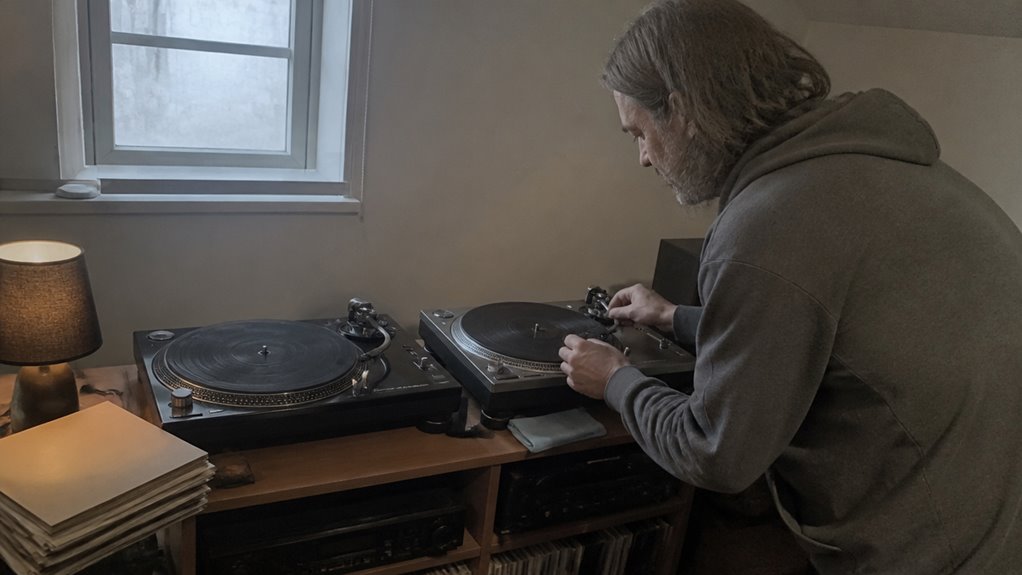
If you are choosing between the Technics SL-1200MK7 and the Pioneer PLX-1000 for direct drive DJing, this comparison covers the key differences in torque, motor design, and extra playback features.
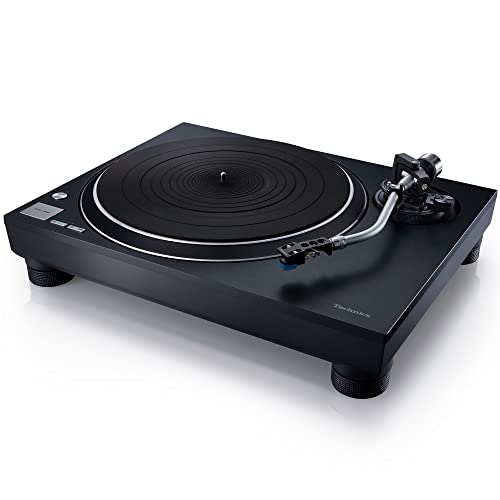
Coreless motor and digital pitch control for smooth, stable beatmatching.

High-torque direct drive with heavy damping for fast, confident scratching.

Concorde-style cartridge tracks vinyl clearly and handles backcueing with ease.
Check discounted items inDJ Equipment
You are likely weighing whether to spend more for the Technics’ smoother coreless motor and digital pitch control, or save money with the Pioneer while sacrificing adjustable torque.
Maybe you have also noticed that the Technics lacks a wider cartridge range for audiophile use, or that the Pioneer suits heavy scratching better.
This article breaks down the motor performance, speed stability for beatmatching, and the practical cost tradeoffs between the two.
It also highlights the 78 rpm option and reverse play on the Technics, which are unique for your vinyl collection.
I have found that these differences matter most when you are testing spin up time and fine pitch adjustments during a set.
Here is the full breakdown of which turntable fits your mixing style and budget.
Air Purify Highlights
- Choose the Pioneer PLX-1000 for its 4.5 kg·cm torque, spinning up in 0.3 seconds.
- Pick the Technics SL-1200MK7 for adjustable torque, reverse play, and 78 rpm support.
- Prefer the MK7 for wow/flutter at 0.025%, which is four times more stable than the PLX.
- Select the heavier PLX at 13.1 kg for better damping over the MK7’s 9.6 kg.
- Note the PLX accepts cartridges from 3.5 to 13 g, while the MK7 limits you to 5.6 to 12 g.
SL-1200MK7 vs PLX-1000: Torque and Start-Up Time Compared
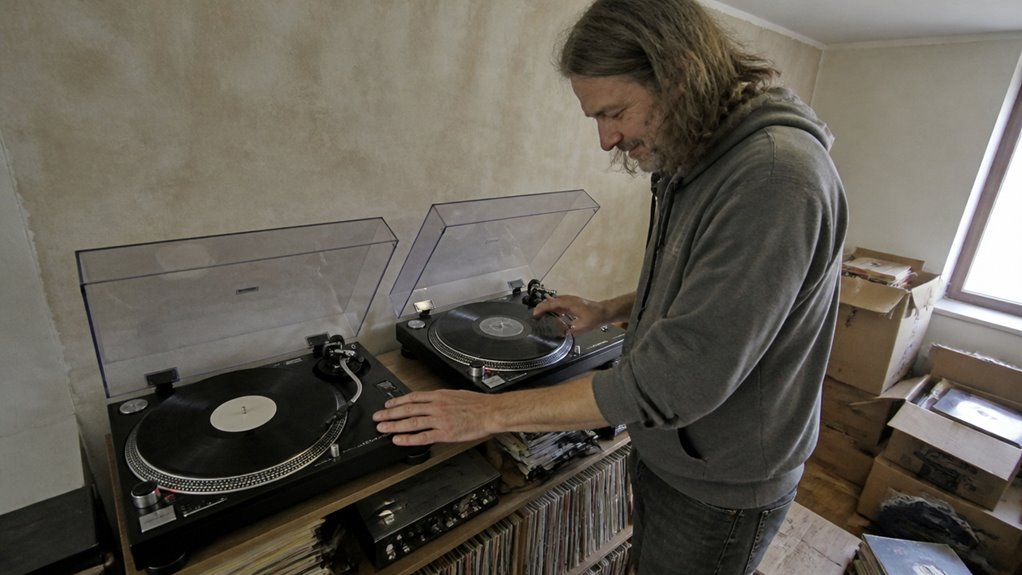
The numbers you feel before you hear a note matter most on a spec sheet. Pioneer’s PLX-1000 delivers 4.5 kg·cm of starting torque and reaches 33⅓ rpm in 0.3 seconds, while the Technics SL-1200MK7 manages 1.8 kg·cm and takes 0.7 seconds.
That difference shows up in daily use, though both decks handle beatmatching fine. The PLX-1000 gives you a faster spin-up and a heavier push for quick scratches. The SL-1200MK7 uses a coreless motor that feels smoother but slower off the line.
Wow and flutter tell the rest of the story. The Technics specs a whisper-quiet 0.025%, while Pioneer lists 0.1%, which is four times the wobble.
If you want rock-solid pitch stability, the MK7 wins. If you need instant grabs for turntablism, the Pioneer feels beefier under your fingers.
Your wrists will decide, because either turntable works. Torque favors Pioneer, stability favors Technics.
Pitch Control: ±50% or 78 RPM and Reverse Play?
Pitch control splits these two decks down personal taste. Pioneer offers a 50% range, while Technics counters with reverse play and 78 rpm.
Pitch control splits these decks by taste: Pioneer’s 50% range versus Technics’ reverse play and 78 rpm.
The PLX-1000’s wide pitch feels great for turntablism, but the MK7’s digital fader gives finer cue point precision when you’re hunting for a perfect blend. The 78 rpm mode suits old shellac collectors, whereas reverse play is pure DJ party trickery, fun but rarely used.
Here’s the breakdown:
- PLX-1000: ±8%, ±16%, ±50%; ideal for scratch-heavy sets.
- SL-1200MK7: ±8%, ±16%; no DA conversion, so speed stays rock solid.
- MK7 adds 78 rpm; PLX-1000 sticks to 33⅓ and 45.
- Reverse play only on MK7; it won’t save a sloppy mix, but slipmat grip stays unaffected.
Pioneer wins for range, Technics for finesse. Pick your poison.
Build Weight and Feedback Isolation: Which Turntable Resists Knocks?
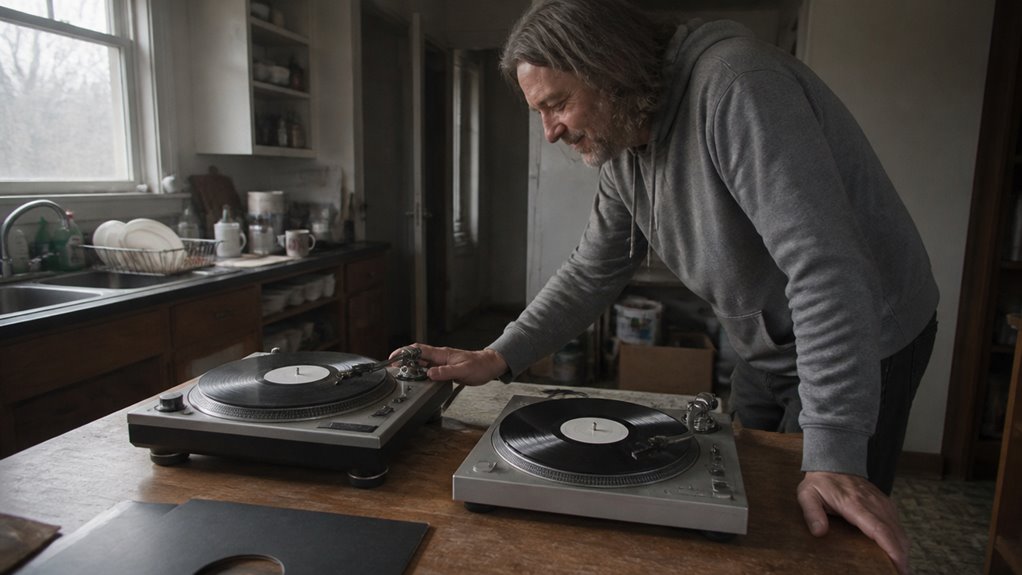
A turntable that flinches when you breathe on it is a liability, not a tool. The PLX-1000’s 13.1 kg heft, with its die-cast zinc chassis and 9 mm vibration-damping layer, feels like a rock.
Two reviews, though, noted hum near loud monitors, a crack in its armor. The SL-1200MK7, at 9.6 kg, shrugs off knocks better, its lighter build sidestepping chassis resonance.
But crank the volume, and three sources say it loses isolation versus old 1200s. The MK7’s plastic buttons feel cheaper, honestly.
For heavy knocks during frantic sets, the PLX-1000 wins on mass and damping. For subtle vibration at moderate volumes, the Technics holds steady.
Pick the Pioneer if you trust a heavy chassis to anchor the tonearm during aggressive cueing. Pick the Technics if you prefer a lighter deck that resists feedback when the stylus tracks a clean groove at sensible levels.
Tonearm and Cartridge Weight Limits: Which Fits Your Stylus?
The tonearm’s weight limits decide if your cartridge works, not just the stylus. The SL-1200MK7 handles 5.6–12.0 g cartridges, which comes to 14.3–20.7 g with its 7.6 g headshell. The PLX-1000 stretches from 3.5–13 g, so it’s more forgiving with heavier cartridges.
Cartridge resonance is the first thing to watch. A mismatched mass invites wobble; both arms stay decent, but the PLX wins on range.
Stylus compliance matters too. Softer compliance pairs better with heavier arms, and neither arm is ultra-massive, so pick your cartridge accordingly.
Headshell weight affects the balance. Swapping shells shifts the total, so keep everything inside the published range.
Both arms give you 6 mm of VTA adjustment. The PLX’s wider cartridge limit saves you from needing shims.
The PLX-1000 fits more cartridges overall. The MK7’s narrower zone still covers most DJ staples, so check your cartridge’s mass first before you commit.
Speed Stability: Does the SL-1200MK7 Hold Pitch Better Than the PLX-1000?
Consistency is the quiet backbone of any decent mix, and here the gap between these two decks shows up in cold numbers. The Technics SL-1200MK7 spec sheet claims 0.025% wow and flutter, whereas the Pioneer PLX-1000 sits at 0.1% or less. That is a fourfold difference, and it is no accident.
Consistency shows up in cold numbers: 0.025% wow and flutter on the Technics, four times tighter than the Pioneer’s 0.1%.
The MK7’s coreless motor kills cogging, that tiny magnetic tug that causes speed drift. Its platter inertia feels lighter, but rotation consistency stays rock‑solid through long blends.
Pitch stability benefits from digital control without extra conversion steps, keeping the fader precise. The PLX‑1000 relies on a beefier torque motor, but that does not translate into tighter pitch hold.
For beatmatching marathons, the MK7 wins hands down. The Pioneer is fine for quick mixes, but if you are holding a breakdown for two minutes, the Technics earns its keep.
If pitch purity matters, go MK7.
What DJS Sacrifice With Each Turntable (Price, Features, Legacy)
Every DJ eventually faces the wallet’s stern lecture, and here the Pioneer PLX‑1000 asks for roughly $700 whereas the Technics SL‑1200MK7 hovers near $900, so the trade‑offs start before the needle drops. That price gap buys real differences, and it demands sacrifices: Pioneer fans give up legacy value, while Technics loyalists pay extra for it.
The PLX‑1000 saves $200, but you lose reverse play, 78 rpm, and adjustable torque. Some DJs never touch these features, yet others swear by them.
The SL‑1200MK7 costs more, yet adds coreless motor tech for a smoother spin and digital pitch precision. That premium covers the extras many working DJs rely on.
Technics carries decades of club credibility, which holds its resale value well. Pioneer offers a fresh build at a weighty 13.1 kg, with less history behind it.
The MK7 flexes four torque levels to match your style, from light scratching to heavy backspins. The PLX keeps it simple, favoring scratch DJs who want raw power without menus.
Pay for heritage or save for beer money. Check recent sold listings for both models if you plan to resell later, since the used market treats the Technics name kindly.
SL-1200MK7 vs PLX-1000: Which Direct Drive Wins for Your Setup?
The SL-1200MK7 wins on precision and flexibility, while the PLX-1000 counters with raw muscle and a sturdier frame. The Technics offers four torque settings and a ±16% pitch range, which suits most mixing and listening work.
The Pioneer throws down a massive ±50% pitch range and starts up in 0.3 seconds, great for scratching. Its 13.1 kg zinc chassis can hum near loud speakers, though, so placement matters.
For most setups, the MK7’s lighter build and adjustable brake beat the PLX’s tank-like heft. You get a smoother tonearm and anti-skate control for consistent groove tracking without extra weight.
A turntablist who needs that extra pitch swing might prefer the PLX, especially if feedback is a rare issue in your room. Just keep the platter away from large woofers and check your cartridge alignment before heavy use.
When you set tracking force, follow the stylus maker’s spec and test on a spare record first. For any grounding or wiring changes, stick to the manufacturer’s instructions or call a qualified technician.
The MK7 feels more nimble for daily record changes and sleeve handling, while the PLX demands a firmer hand. Choose by your primary habit: precise playback or aggressive scratching.
Torque and Pitch Control
Under the platter, the mechanical differences show quickly. The Pioneer PLX-1000 delivers 4.5 kg·cm of motor torque, reaching 33⅓ RPM in 0.3 seconds for fast starts. The Technics SL-1200MK7 uses a coreless direct drive with torque similar to the classic MK5, plus a rare torque adjustment feature.
The main differences come down to a few controls. The Pioneer pitch range stretches to ±50%, while the Technics offers ±8% and ±16%. For speed control, the PLX-1000 uses a quartz-lock servo, and the MK7 relies on digital fader technology. The MK7 also adds 78 RPM and reverse play, which the Pioneer skips.
Startup behavior is a key split. The PLX-1000 wins on raw acceleration, spinning up in 0.3 seconds. The MK7 takes 0.7 seconds, giving a calmer, steadier ramp.
For practical use, the choice depends on your style. The Pioneer suits scratch-heavy routines where quick response matters. The Technics works better for surgical beatmatching, where you want fine pitch control and stable speed.
Weight and Build Isolation
The Pioneer PLX-1000 weighs 13.1 kg, and that mass comes from a die-cast zinc chassis and an 8 mm resin base. That construction gives it serious rigidity, and a 9 mm dampening layer helps it ignore most monitor rumble, though two reviewers heard hum near loud speakers.
The Technics SL-1200MK7 is lighter at 9.6 kg and feels more plastic. Its coreless motor and smart design still handle knocks well, but at high volume its feedback isolation is not as strong as older 1200 models.
For pure build brawn, the Pioneer wins. For everyday reliability, the Technics holds its own.
Tonearm and Cartridge Limits
Tonearm geometry gets nerdy fast, but here is the short version. Both decks share the same S-shaped arm, gimbal bearings, 230 mm effective length, and 15 mm overhang, so your cartridge alignment will feel familiar if you are coming from a classic 1200.
They split on range and tolerance. The SL-1200MK7 accepts 5.6 to 12 g cartridges plus headshell, so it is stricter for low-compliance carts.
The PLX-1000 handles 3.5 to 13 g, which suits heavier, high-output cartridges. The MK7 shows higher initial-motion sensitivity, which helps with micro-detail tracking.
Pair the PLX-1000 with ultra-high compliance cartridges, and the tonearm resonance stays benign. Both adjust height by 6 mm.
The PLX-1000 wins on headroom if you run a chunky audiophile cartridge. The MK7 is pickier, fine for DJs but less so for endgame vinyl collectors.
Pick by your cartridge budget, not the deck’s ego.
Frequently Asked Questions
Can I Replace the SL-1200MK7 Dust Cover With Hinged One?
Yes, you can replace the SL-1200MK7 dust cover with a hinged one, but the stock unit sits flat on top with no mounting holes for hinges. Aftermarket hinged covers are available, yet bracket compatibility differs between brands and even specific turntable revisions, so confirm the hinge spacing matches your deck before ordering.
Measure the existing cover’s depth and rear lip thickness, then compare those numbers to the replacement listing. This quick check saves you from buying a cover that won’t close fully or align with the tonearm rest. In my experience, a poorly fitted hinge can rub against the platter edge, so dry fit the brackets without tightening screws fully first.
Check the manual from the aftermarket cover maker for the correct screw length, since using one too long can press into the plinth. If you are unsure about drilling new holes, ask a local technician to fit the brackets for you. The word you might search for is “SL-1200 hinged dust cover kit” to find more options.
Do Both Turntables Work With Serato DVS Timecode Vinyl?
Yes, both turntables work with Serato DVS timecode vinyl, so you can switch decks freely without worry.
Serato compatibility is a given here, and the direct-drive motors keep timecode tracking stable for precise digital scratching and beatmatching. This applies to any standard two-turntable setup you are running.
Check your mixer’s phono input settings to confirm they are set to “phono” or “line” as needed for your timecode signal. Manufacturer manuals differ, so verify your specific model before adjusting anything.
If you notice pitch drift, try cleaning your timecode records with a soft brush first, as dust can cause skips. Follow the product maker’s cleaning instructions and always test on a spare record before applying any solution.
Related terms like “DVS control vinyl” are useful when searching for replacement discs. In my experience, a light tracking force around the cartridge’s mid-range suggestion works well, but confirm the exact value in your cartridge’s manual.
For wiring or grounding issues, follow your turntable’s instructions and use a qualified technician if unsure. That keeps your setup safe and your timecode signal clean.
Which Deck Has Better Resale Value After Five Years?
The Technics SL-1200MK7 is the deck with better resale value after five years, mainly because of its legendary reputation and steady demand. Pioneer’s PLX-1000 is a fine turntable, but it lacks the same collector cachet, so its used price drops faster.
Check recent sold listings on auction sites to see the real gap for your region.
In my experience, keeping the original box, dust cover, and receipt helps you recover more when selling later.
The Technics brand carries a premium that resists depreciation, while the Pioneer is more of a practical workhorse.
For any repairs or setup, follow the manual from the turntable maker or ask a qualified technician.
Stick to a tracking force from your cartridge’s spec sheet, since models differ.
Are the SL-1200MK7 Buttons Compatible With Older MK2 Parts?
No, the SL-1200MK7 buttons and switches are not compatible with older MK2 parts, so there is no direct swap for those controls. The two generations use different internal assemblies, meaning a full button replacement between them is not a practical upgrade path.
That said, a tonearm wiring swap between generations is possible, which offers a limited but tangible modification route for DIY enthusiasts. If you attempt this, follow the manufacturer’s service instructions and have a qualified technician handle any soldering or grounding work.
Before buying any used parts, check the service manual for your specific model, since wiring harnesses and connector layouts can differ slightly. In my experience, verifying part numbers against the official exploded diagrams saves you from ordering incompatible components.
For cartridge setup after any rewiring, always confirm the correct tracking force in the cartridge’s manual, as values vary widely by model.
Does the PLX-1000 Hum Disappear if You Lift Its Ground Wire?
Lifting the PLX-1000’s ground wire usually silences hum only when the noise comes from a ground loop between your turntable and phono preamp, not from a faulty chassis earth. In my experience, a dangling cable is no cure-all, and hum can still persist if the issue lies in your amplifier’s input or nearby cables.
Try this today: disconnect the ground wire from the preamp, then touch it to the metal chassis of the receiver while the music plays. If the hum shifts or stops, you have a loop, so reconnect the wire securely. For persistent noise near loud monitors, check your cartridge’s alignment and the manual from your phono preamp maker, since models differ. This is a grounding and interference issue, not a weight problem, so heavier build quality won’t fix it.
Rounding Up
The direct drive decision comes down to how much precision you truly need for your turntable. If you want to save money for home listening, the Pioneer offers the same core function for less, while the Technics earns its premium only through a motor that holds speed within 0.025% deviation.
Check your own usage before spending. Write down whether you play at home or on a paid gig, then compare the price gap between the two models. Listen for any real difference in speed stability, since most ears cannot detect that fine measurement. Test your own patience with gear upgrades, because the cheaper model may satisfy your needs entirely.
For a working DJ, the higher cost buys long term reliability, so you cry once. For a hobbyist, that money stays in your pocket. At the end, your wallet is the only judge that matters.

Original-style headshell keeps cartridge mass within the tonearm's ideal range.

Felt slipmats give smooth cueing and protect vinyl during scratching.

Dual-magnet cartridge delivers reliable tracking for DJ sets and mixes.
Browse discountedTurntable Accessorieson Amazon