How to Pack Multiple Vinyl Records in One Shipment Without Edge Crushing


Packing multiple vinyl records for shipment without edge crushing starts with the right box and a specific stacking method.

High crush resistance keeps stacked LPs from flattening in transit.

Even weight distribution across flaps prevents corner buckling.

Right size for LP stacks with room for rigid pads and void fill.
Browse discountedShipping Boxeson Amazon
If you are getting ready to mail a stack of LPs, you are probably worried about corners getting dinged or the jacket seams splitting in transit.
This guide covers the practical steps to keep your records safe, from choosing a box with sufficient edge crush test (ECT) strength to arranging each disc inside its jacket and alternating the spine direction.
You will also learn how to fill empty space so the bundle feels solid, and how to tape the box in a plus-sign pattern to keep the corners square.
The goal is simple: get your records to the buyer or friend without damage.
Start with the box itself, because the right corrugated board is your first line of defense.
Air Purify Highlights
Use 44 ECT boxes with full overlap flaps for stacks beyond three records.
Cap shipments at 40 records or 40 pounds, whichever limit hits first.
Place each disc behind its jacket, inside the outer sleeve, to prevent seam splits.
Alternate spine direction per layer and fill all voids until the bundle won’t shift.
Seal mailers with a 3-inch tape plus sign pattern across center seams.
Choose 44 ECT Box Strength for Stacked Shipments

Standard 32 ECT cardboard folds under pressure like a wet napkin when records travel stacked. That rating tells you how much edgewise force a board withstands before crumpling, and 32 ECT fails around 1,100 pounds in a box compression test.
That is not enough for twenty LPs at the bottom of a pallet. Upgrade to 44 ECT, which gives roughly 1,600 pounds of crush resistance.
32 ECT fails under twenty stacked LPs. Upgrade to 44 ECT: 1,600 pounds of crush resistance, or watch your records flatten.
It costs about fifteen percent more per box, which is cheap insurance against a $300 record turning into a frisbee. Full overlap flaps matter too, because they spread weight evenly across edges.
Without them, even 44 ECT buckles at corners. For anything beyond three records, 44 ECT is the floor, not a suggestion.
Your mailbox will thank you.
Follow the 40-Pound Rule to Prevent Edge Crush
A single carton’s weight matters more than most people think. The real culprit is how that weight presses down over time.
The 40-pound rule saves your vinyl’s edges. Outer shipper boxes rated at 44 ECT sound tough, but they are not magic.
Stick to unit count limits: 40 records max, or 40 pounds, whichever hits first. Exceed that, and the bottom rows suffer, corners crushing like soda cans under a stack of bricks.
Heavier means more pressure per square inch. Corrugation slowly gives in during transit.
Weigh your bundle first, then count. If you are at 38 LPs but the box feels like a dumbbell, split the load.
It is a simple math game. Nobody wants a flattened collection.
Obey the rule and keep edges square. Your customers stay happy, with no crushed corners and no refunds.
Prevent Seam Splits and Ring Wear With Jacket Placement
Seam splits and ring wear are the silent killers of otherwise mint vinyl. The fix is simple: slide the record out of its paper pocket and place it *behind* the jacket, inside the outer sleeve.
This drops disc-to-cardboard contact to zero, which is the core of seam split prevention. Disc pressure marks, those ugly imprints from the grooves pressing into the cover, disappear too.
The vinyl still gets the jacket’s protection, but the jacket’s seams never take the brunt of compression. For a stack of five LPs, this method costs nothing extra, just a minute per record.
Bundle them tight, and the jacket stays pristine. Always pack the disc behind the cover, not inside it.
Your buyers will thank you, and your seam-split refunds will dry up.
Alternate Spine Direction for Even Weight Distribution
Alternate the spine direction of each record so the bundle sits flat instead of tilting into a wedge.
This simple flip spreads pressure evenly across the jacket faces, keeping compression uniform so no single edge bears the full weight of the stack above it.
Corners and edges stay protected, and the box closes snugly without hidden stress points.
The result is a flat, stable stack that handles storage and transport cleanly.
Balanced Weight Stacking
Spine alignment causes many crushed corners during shipping.
For balanced weight stacking, flip the spine direction every layer, which evens the static load across the bundle.
Think of a teeter-totter: you do not want all the heavies on one side.
Off-kilter pressure crushes edges fast.
Center of gravity alignment keeps the stack’s core stable, so the box takes pressure evenly, not just on one seam.
Flip every other record: spine left, then right, repeat.
Check the stack’s top for flatness; wobble means bad alignment.
Use a 44 ECT box for up to 40 pounds, per spec.
This trick is free and saves corner damage.
Alternate spines, keep the core balanced, and ship without drama.
Alternating Record Orientation
A stack of records is a lot like a deck of cards in a magician’s hand. If the weight leans too far one way, the whole thing collapses into a mess of crushed corners.
Alternating spine direction spreads pressure evenly across the bundle. Flip every other jacket so the opening faces opposite, and you prevent the dreaded “lean” that crushes edges.
Spines alternate left, right, left. This balances thick gatefolds against thin single LPs.
The stack stays level, so no corner bears full load. This works with up to ten units in a 32 ECT inner shipper.
Pair it with a moisture barrier and desiccant packs to avoid warp. This trick costs nothing but a minute of fussing.
Skip it, and you’re betting on luck. Those are bad odds for a $30 album.
Flat Bundle Compression
Once the spines alternate, lock that level stack into a tight, flat bundle. Edge crushing gets defeated at this stage.
Flat bundle compression means pressing the whole stack down evenly. Hand-tightening or a light weight works well.
Keep every jacket flush to eliminate air pockets. Air pockets let records shift and slam against box walls.
A ten-LP inner shipper in a 32 ECT box holds firm with this compression. Do not overstuff, since that concentrates force on the corners.
Think of a sandwich: even bites, not a squished center. Compress flat, distribute pressure evenly, and your vinyl arrives without bent edges.
Pack It Tight: Add Void Fill Until Nothing Shifts
A sealed box can still let records slide into disaster because empty space is the enemy. Void fill, like crumpled kraft paper or air pillows, must be packed until the bundle feels like a stubborn brick.
Box snugness matters. If you can wiggle the stack even half an inch, that is room for edge impact during a tumble.
Shake test the box and listen for silence. Use filler that compresses, not crumbles.
Aim for a no-shift press-fit. Check corners after sealing, and allow no bulges.
Reuse clean bubble wrap if budget is tight, but skip thin tissue. Shifting prevention is cheap insurance.
A few extra minutes now saves a cracked sleeve later. Once nothing moves, you are good to go.
Pack it tight, or ship it twice.
Add Stiffeners and Corner Protectors Before Taping
Tight packing solves shifting, but it does not solve crushing. Stiffeners act like a tiny cardboard spine for your records.
Cardboard pad sizing matters. Cut two flat pads, each just shy of your mailer’s inner dimensions, say 12.5 inches square for a 13-inch box.
Cardboard pad sizing matters—cut flat pads just shy of the mailer’s inner dimensions for a snug, protective fit.
Sandwich the bundle between them. Then focus on corner protector placement.
Slip folded cardboard guards over each jacket corner, not the sleeve, to absorb impact from drops. Tape those pads to each other, never to the vinyl jacket, so the buyer gets clean corners.
A 3-inch-deep mailer handles up to twenty LPs with this setup. It’s overkill for a single disc.
For multi-record shipments, it’s cheap insurance. About fifty cents in cardboard can save a twenty-dollar album.
Check recent sold listings if you’re unsure about a record’s value before shipping.
For cleaning gear or stylus care, follow the maker’s instructions and test on a spare record first.
Seal the Mailer With Tape in a Plus Sign Pattern
The plus sign method is the bare minimum for keeping a record mailer intact. Grab a roll of 3‑inch wide tape, the industry standard at about 72mm by 100 meters.
Lay one strip across the top flap. Then lay a second strip perpendicular to it, forming a cross.
That cross covers the two weakest points where the flaps meet. It spreads the tension so the cardboard does not tear open under the weight of a stack.
Plus Sign Method
A plus sign of tape seals a record mailer properly because it locks down the center seam and both side edges at once. Good adhesion keeps the flaps shut under stack pressure, and aligned flaps prevent gaps where corners can catch in transit.
This method is quick, cheap, and works well for multi-LP bundles. Run one strip vertically and one horizontally, crossing at the mailer’s dead center.
The crossing distributes tension evenly, which reduces edge crush from uneven pull. Use 3-inch-wide tape, pressed down firmly with no bubbles.
The top and bottom flaps stay flush, so the package won’t shift during handling. It takes about ten extra seconds and saves you from refund requests later.
For edge safety, this pattern beats random strips every time. Do the plus sign and move on.
Tape Width and Coverage
Three inches of width on that tape roll is the bare minimum for this trick to hold. Narrower strips don’t grab enough cardboard, so they peel off mid-transit like a bad sticker.
For a plus sign pattern, make two full passes across the mailer’s seams, vertical and horizontal, plus a final top seal. Tape adhesion matters more than tape thickness here.
Thick but cheap tape lifts at the edges, whereas a thinner, stickier film grips the corrugation better. You want enough thickness to resist punctures, but not so much it won’t flex around corners.
A 72mm roll, roughly three inches, covers the flap edges cleanly. Tape must overlap the seam by at least half an inch on each side.
Avoid gaps; any exposed seam is a crush point. Three-inch, medium-thickness tape, pressed firmly, beats anything thinner or wider for a snug, damage-proof seal.
Frequently Asked Questions
Can I Reuse a 44 ECT Box if It Looks Sturdy?
You can reuse a 44 ECT box if it looks sturdy, but only for light, low-risk storage, not for shipping. The box’s recycled fibers lose crush resistance over time, so hidden damage can still cause a collapse and ruin your vinyl.
Check every corner and flap for creases or moisture marks before trusting it. If you see any softening, use a fresh box instead.
For a quick test, press your thumb firmly against the center of each panel. A strong box should resist without denting.
Remember, stacking strength matters more than surface appearance. A new, certified corrugated box guarantees better protection for your records against crushing.
For valuable LPs, skip reused packaging entirely and compare recent sold listings if you are unsure about a pressing’s worth. Always err on the side of safety for your collection.
What Happens if My Mailer Is Exactly 40 Pounds?
If your mailer is exactly 40 pounds, your parcel sits right at the carrier’s maximum limit, which means it may be refused or face damage. The 44 ECT rating offers zero cushion for handling variance at that weight, so you are gambling with your vinyl’s safety.
To protect the record, reduce the package weight to 39 pounds or less by using a lighter outer box or removing extra inserts.
A good rule is to keep the mailer weight at least 2 pounds below the carrier threshold for a safety margin.
Check your carrier’s official weight chart before shipping, since individual services can differ in their breakpoints.
I’d also recommend reinforcing all corners with extra tape, as a 40 pound box stresses the weakest seams first.
Should I Tape the Record Sleeve Shut Before Packing?
No, you should not tape the record sleeve shut before packing, as tape can cause seam splits or leave adhesive residue on the jacket. The vinyl is already safe behind the cardboard, so your focus should be on securing the outer package instead.
For a concrete tip, place the record in a poly inner sleeve, then slide it behind the jacket, not inside the opening, to prevent edge wear. Next, wrap the whole package in a protective mailer with stiff cardboard on both sides.
If you worry about the jacket sliding out during transit, use a resealable outer bag instead of tape, which is safer and reusable. For extra protection, you can also search “vinyl shipping blocker” for a related packing aid, but always check your mailer’s manufacturer instructions for best results.
How Do I Know When Void Fill Is Too Tight?
You know void fill is too tight when the lid resists closing or the box bulges outward. Stop compressing the fill as soon as the record sits snugly without pressure against the sleeve.
That resistance is your warning sign, so back off before you force the lid shut. Excessive compression can warp the record, sacrificing flatness for perceived security.
A quick test: close the box and press the center of the lid. If it flexes noticeably, remove some fill and try again.
For extra protection, use a corrugated insert or spine guard, which distributes pressure evenly. If you are unsure about packing density, check the manual from your mailer or box maker, since designs differ.
Can I Stack Pallets if Every Box Is Identical?
Yes, you can stack pallets if every box is identical, but only when the combined weight stays within the bottom tier’s edge crush rating. Symmetry doesn’t save a stack that exceeds that limit, since the lowest carton bears the full load.
Check the ECT number printed on your box’s corner stamp, then weigh one loaded carton and multiply by the number of tiers you plan. If the total stress on the base layer is anywhere near the limit, reduce the height or add a slip sheet between levels.
For a practical tip, always align the pallet’s corners directly above each other and keep the stack squarely on the skid. Look up “compression strength” or “warehouse stacking guidelines” if you need more detail, but your carton manufacturer’s data is the safest reference.
Rounding Up
Packing multiple records safely comes down to one main question: how do you stop the edges from crushing in transit. Check every mailer for slack before sealing, because even a small gap can turn a careful job into a crushed corner. Tape all seams twice, and add stiffeners on both sides of the stack, exactly as the article describes. Test the box by pressing on its edges after sealing, and listen for any give that means the records can shift. Spend the extra five minutes on this step, every time. That small effort is the difference between a smooth delivery and a costly replacement. Tight and sealed beats rushed and lucky, always.

Secures the plus-sign seal firmly, keeping corners square in transit.

Fills gaps and cushions impacts so records don't shift or slam.
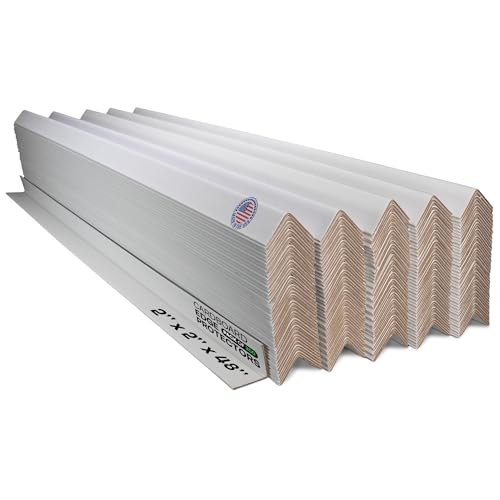
Armor against corner crushing and edge impact during rough handling.
See today's best deals onPacking Supplies